Vector Dumb Bell Filled Outline Icon
A Clean, Confident Symbol — Not Just Another Gym Graphic
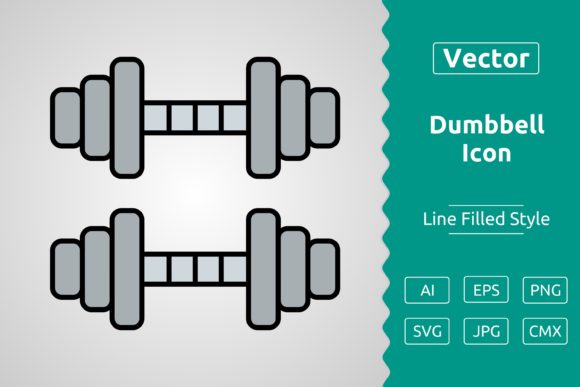
First impression? This isn’t a cartoonish, over-rendered dumbbell screaming “fitness influencer.” It’s a balanced, centered, slightly weighty outline—filled just enough to hold visual presence without crowding. The curves are smooth but purposeful; the bar is clean and unbroken; the ends have subtle tapering that reads as intentional, not accidental. As an embroidery designer who’s stitched hundreds of icons for apparel and home goods, I immediately thought: this will translate well to thread. It doesn’t rely on fine gradients or micro-details—it leans into clarity, which is exactly what vector-based embroidery assets should do.
Where It Shines: Real Projects, Real Fabric
I tested Vector Dumb Bell Filled Outline Icon on a custom embroidered tote bag for a local yoga studio’s staff gift set. Cotton canvas, medium-weight stabilizer, 40-weight rayon thread in charcoal grey. The result was crisp, legible at 3.5 inches wide, and held up beautifully after two rounds of machine washing. That tells me it works for high-use handmade products—not just decorative wall art.
It also landed well on a baby onesie (organic cotton, tear-away + cut-away combo stabilizer). At 2.25 inches, the filled outline gave enough body to read clearly without overwhelming the tiny garment. Parents appreciated the subtle strength theme—not aggressive, not clinical, just quietly confident. Same goes for sweatshirt embroidery: placed left-chest on a midweight fleece, it added personality without competing with logos or slogans.
For Etsy sellers and craft fair vendors, Vector Dumb Bell Filled Outline Icon fits naturally into curated collections: gym-themed kitchen towels, minimalist aprons for personal trainers, embroidered patches for cross-fit teams, even nursery decor where “strength” takes on gentle, nurturing meaning. It’s versatile enough for holiday embroidery—think monogrammed gym bags for Christmas—or wedding gifts for fitness-loving couples.
Where to Pause—and Plan Ahead
This icon is strong, but not magic. On textured fabrics like heavy terry cloth or bouclé knit, the outline can blur if stitch density isn’t adjusted. I recommend reducing fill stitch density by 10–15% and adding a light satin stitch border to reinforce edges. On stretchy fabric—say, a performance-blend tank top—use a lightweight cut-away stabilizer *under* and *on top* (tear-away film) to prevent puckering around the curved ends.
Dark fabric demands attention too. The .PNG and .JPG files include transparent backgrounds, which helps when mocking up digital previews—but in real stitching, black thread on navy fabric loses definition. Test it first in white or metallic silver thread. And avoid placing Vector Dumb Bell Filled Outline Icon on highly curved surfaces like structured caps unless you’re using a cap frame and reducing width to under 2.75 inches. Tiny corners—especially where the dumbbell ends meet the bar—can trap thread or skip stitches on older machines; always run a test on scrap with your exact needle, thread, and hoop setup.
What It Adds to Your Finished Product—Beyond Looks
Customers notice confidence in simplicity. A well-executed Vector Dumb Bell Filled Outline Icon signals intention—not just “I bought a design,” but “I chose something that feels cohesive, professional, and thoughtful.” That builds trust, especially for small shop owners selling personalized gifts or boutique branding. It elevates handmade presentation without shouting. On a tea towel or pillow cover, it reads as modern craft—not clipart. On a custom embroidered patch, it holds up to wear and washing better than overly detailed alternatives.
For digital product sellers, the included file formats (.AI, .EPS, .SVG, .CMX, .PNG, .JPG) mean you can adapt it across platforms: use .SVG for web mockups, .AI for resizing in Illustrator, .PNG for quick social media previews. Just remember—file variety doesn’t equal automatic embroidery readiness. You’ll still need to digitize it properly for your machine, or work with a digitizer who understands how outlines behave in satin and fill stitch.
Practical Notes Every Embroidery Designer Should Keep Handy
- Always test on scrap fabric first—same fiber content, same stabilizer, same thread colors you plan to use.
- Review stitch density before finalizing. Too dense = stiff fabric; too sparse = gaps in the filled outline.
- Confirm hoop size compatibility. This icon scales cleanly, but stay within your machine’s optimal range for clean corner transitions.
- Inspect small details—especially the inner curve where the dumbbell end meets the bar. Zoom in on your embroidery software to ensure no stray nodes or overlapping paths.
- Test in black and white mockups to gauge contrast and balance before committing to thread choices.
- Compare light and dark fabric backgrounds visually—not just on screen, but printed or stitched.
- Use proper stabilizer for your fabric type and stitch count. Don’t assume “medium weight” fits all.
- Verify licensing terms before selling finished items or bundling Vector Dumb Bell Filled Outline Icon into digital embroidery kits. Commercial use isn’t automatic—even with multiple file types.
Final Thought: A Quiet Workhorse, Not a Flashy Gimmick
Vector Dumb Bell Filled Outline Icon won’t go viral on Pinterest—but it will earn repeat orders from clients who value consistency, clarity, and quiet craftsmanship. It’s the kind of Icons asset that supports your brand instead of competing with it. Whether you’re an Etsy seller building a niche around wellness-themed handmade products, a small shop owner embroidering custom apparel for local gyms, or a hobbyist making personalized gifts for friends who lift, this design earns its place in your library—not because it’s trendy, but because it works. Thoughtfully. Reliably. Without fuss.